What Does “Cleaned and Oiled” Mean for a Mechanical Clock?
What Does “Cleaned and Oiled” Mean for a Mechanical Clock?
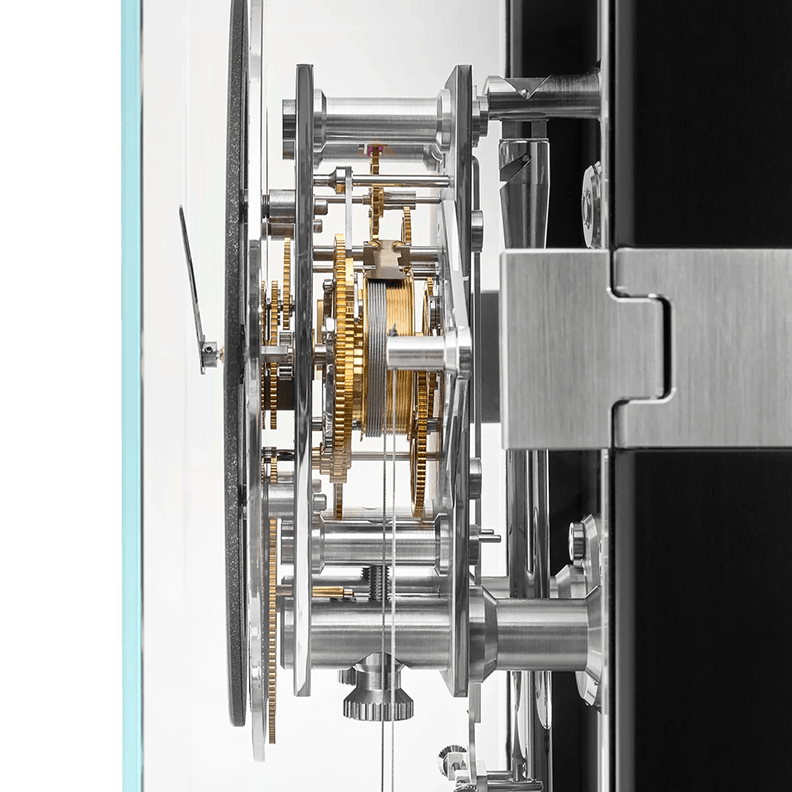
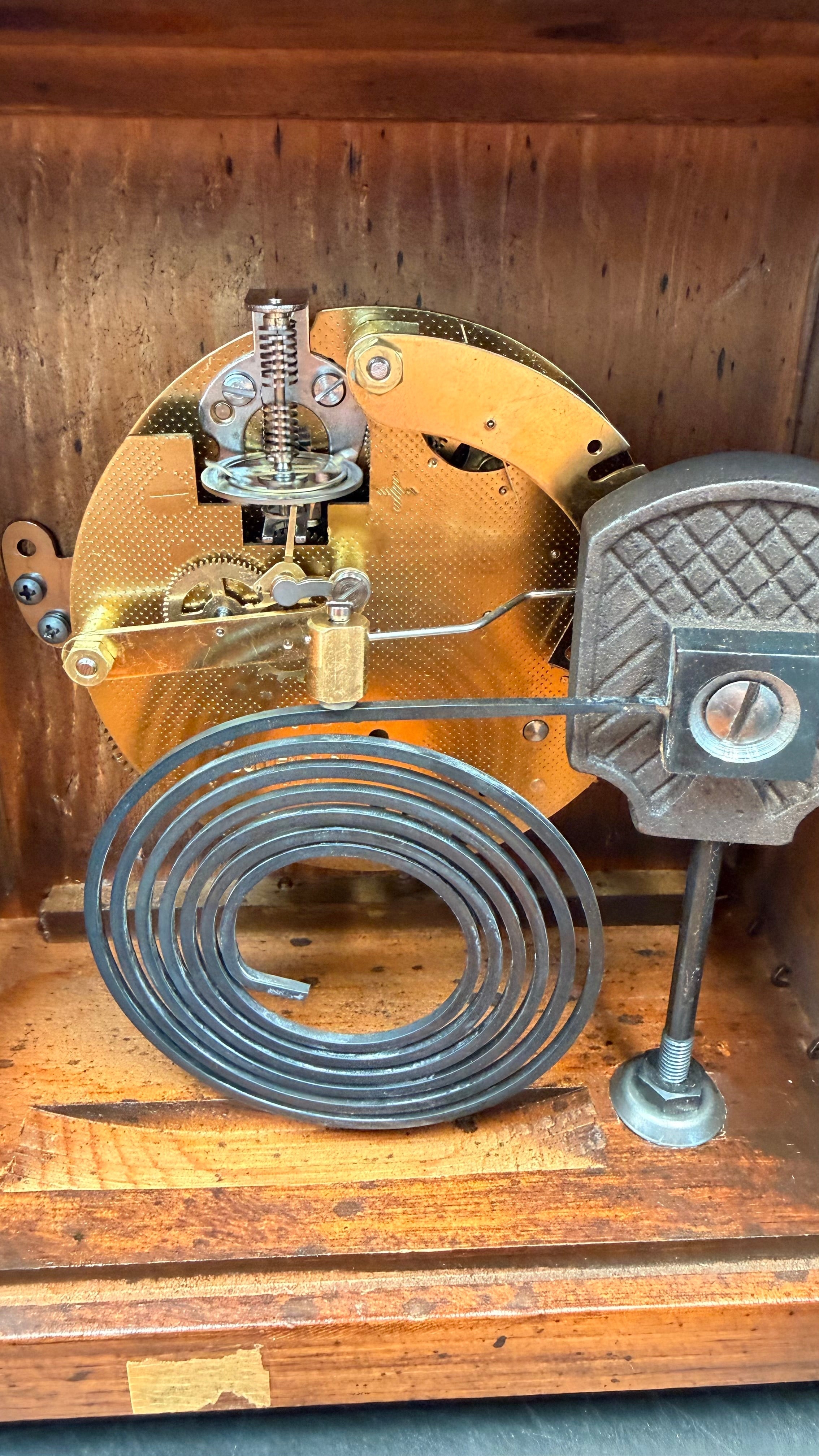
When shopping for a vintage or antique mechanical clock, you may see the phrase “cleaned and oiled” in the description. This is an important detail because mechanical clocks are machines. They have gears, pivots, springs, levers, hammers, and other moving parts that need proper care to run as intended.
A cleaned and oiled clock has received basic maintenance to help the movement operate more smoothly. It does not make a vintage clock brand new, but it can be an important sign that the clock has been cared for and tested.
Why do mechanical clocks need cleaning and oiling?
Mechanical clock movements collect dust, old oil, dirt, and residue over time. As old oil dries out, it can become sticky and create extra friction inside the movement. That friction can affect timekeeping, chime performance, strike function, and overall reliability.
Cleaning and oiling helps reduce friction and allows the movement to run more freely.
What does cleaned and oiled usually include?
The exact process can vary depending on the clock, movement, and condition, but cleaned and oiled generally means the movement has been inspected, cleaned, and lubricated with appropriate clock oil.
This may include cleaning old residue, checking movement function, oiling pivot points, testing the clock, and confirming that the time, strike, and chime functions are working as described.
Does cleaned and oiled mean fully restored?
No. Cleaned and oiled does not always mean fully restored, rebuilt, or overhauled.
A full restoration or overhaul may involve deeper disassembly, repair, bushing work, mainspring service, replacement parts, adjustment, and extended testing. Cleaned and oiled is usually a maintenance service, not a guarantee that every part in the movement is new.
For vintage clocks, it is always important to read the full condition description.
Does cleaned and oiled make a vintage clock new?
No. A vintage or antique clock is still an older mechanical item. It may have age-related wear, cosmetic marks, previous repairs, or parts that are original to the clock.
Cleaned and oiled means the clock has received care, but it should still be understood as a vintage mechanical piece rather than a new factory-made clock.
Can a cleaned and oiled clock still need adjustment after shipping?
Yes. Mechanical clocks can require minor adjustment after shipping. Even when a clock is tested before shipment, shipping movement, leveling, pendulum setup, temperature, humidity, and placement in the home can affect how it runs.
This is especially true for pendulum clocks, chime clocks, wall clocks, and older mechanical movements.
Why is this important for buyers?
A cleaned and oiled clock may be a better choice than an untested clock because it gives buyers more confidence that the movement has received attention and has been evaluated.
When comparing vintage clocks, look for descriptions that clearly state whether the clock has been tested, cleaned, oiled, serviced, restored, or fitted with a new movement.
What should buyers look for in a listing?
Before purchasing a vintage mechanical clock, look for details such as:
Brand or maker
Movement type
Chime or strike function
Whether the clock has been cleaned and oiled
Whether it has been tested
Whether it includes the key, pendulum, weights, or accessories
Any known flaws or repairs
Shipping and packing details
Return or warranty terms
Clear condition information is especially important with vintage mechanical clocks.
Final thoughts
“Cleaned and oiled” is a helpful phrase, but it should be understood correctly. It means the clock has received maintenance to help it run properly, not that the clock is brand new or fully rebuilt.
At Just a Clock Collector, we clearly describe whether a clock has been tested, cleaned and oiled, serviced, restored, or fitted with a new movement whenever that information applies.

Just A Clock Collector