Giving Vintage and Antique Clocks a New Lease on Life
There is something special about finding a vintage or antique clock with a beautiful case. It might be the warmth of aged wood, the craftsmanship of an ornate mantel clock, or a design that simply could not be reproduced in the same way today. Every mark and imperfection gives the clock character—and hints at the life it lived before reaching me.
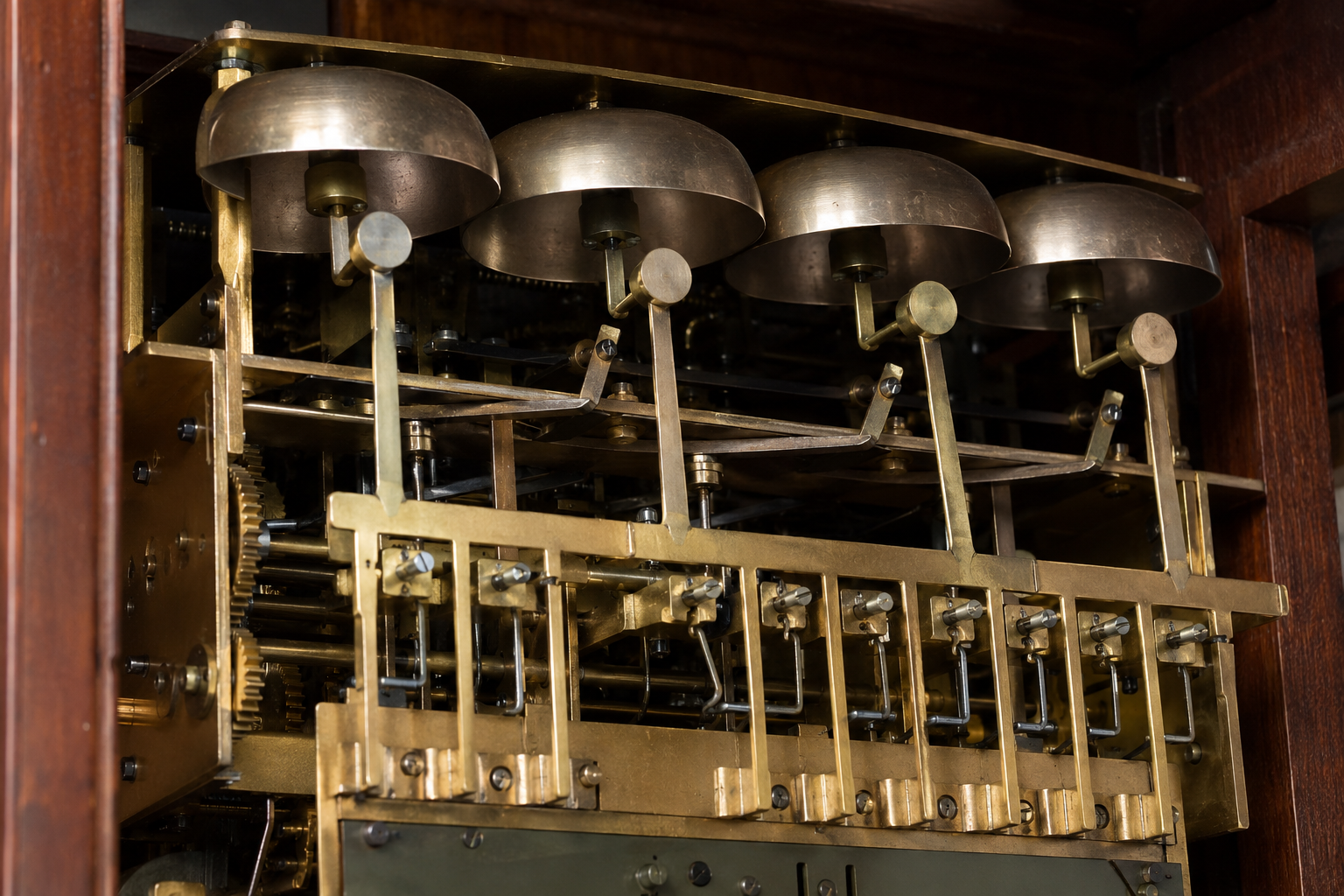
Unfortunately, the movement inside the case is not always in equally good condition.
When Repairing the Original Movement Is Not Practical
I appreciate original clock movements and the traditional skills required to repair them. When a movement is historically significant, rare, or reasonably restorable, preserving it can be the right choice.
But restoration is not always practical. A badly worn movement may need extensive cleaning, rebushing, replacement gears, new springs, or other difficult-to-find parts. Years of dirt, corrosion, neglect, and previous repairs can make the work unpredictable. Even after investing considerable time and money, the movement may still require frequent adjustment or further repairs.
In these situations, the repair can cost far more than the clock itself—and there is no guarantee that it will become a dependable everyday timepiece.
A Beautiful Case Deserves to Be Enjoyed
This is where a brand-new movement can make all the difference.
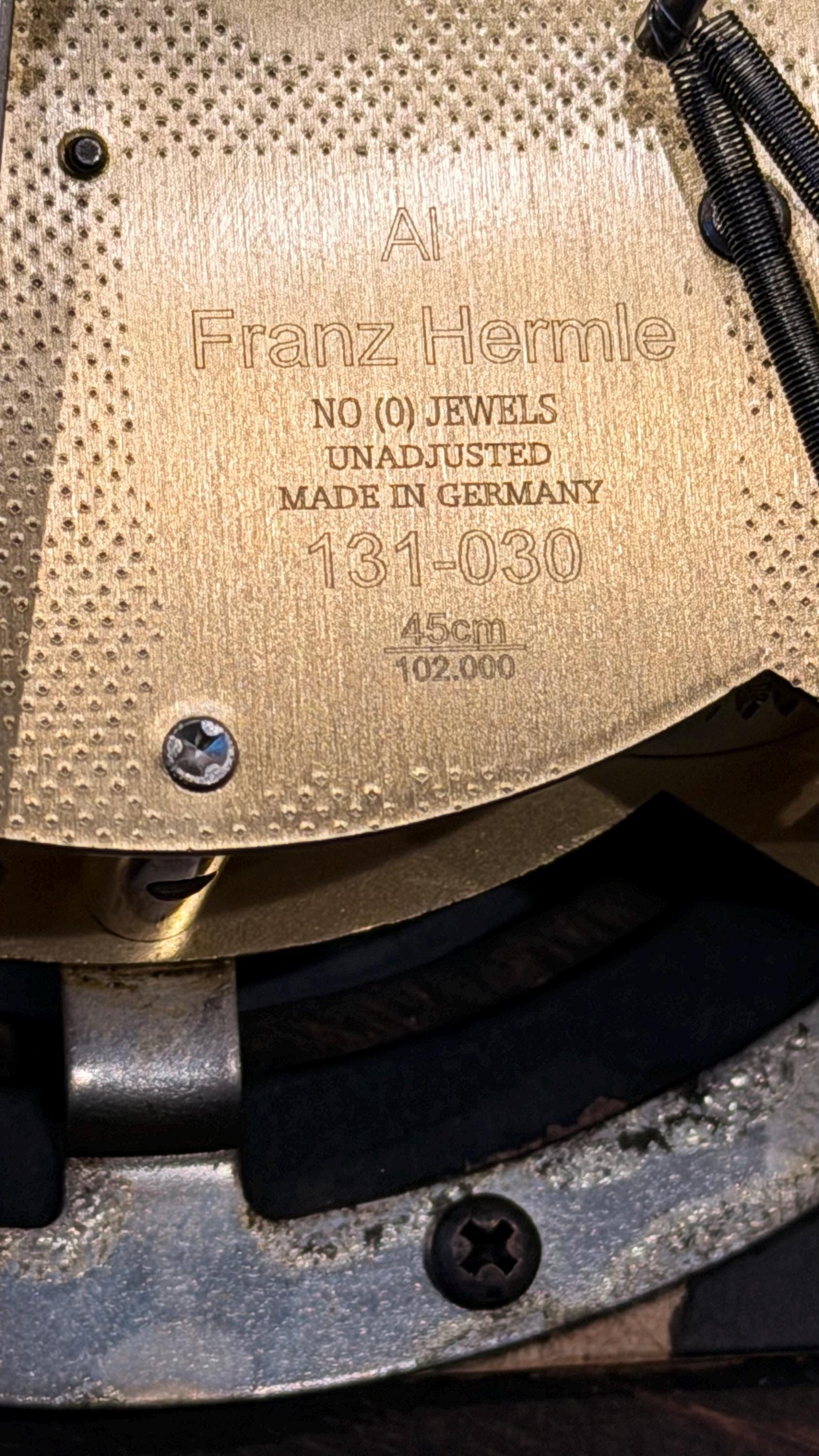
Installing a modern movement allows me to preserve an amazing clock case while making the clock reliable and useful again. Instead of sitting silently on a shelf or being discarded because it no longer works, the clock returns to the home as something that can be enjoyed every day.
The original case still provides the beauty, history, and craftsmanship that first attracted me to the clock. The new movement simply gives it a dependable heart.
The Benefits of a New Movement
A quality replacement movement offers several practical advantages:
-
Reliable and accurate timekeeping
-
A long working life
-
Easier maintenance
-
Readily available replacement parts
-
Lower repair costs
-
Improved safety compared with some badly damaged mechanisms
-
The freedom to use and enjoy the clock without constantly worrying about another breakdown
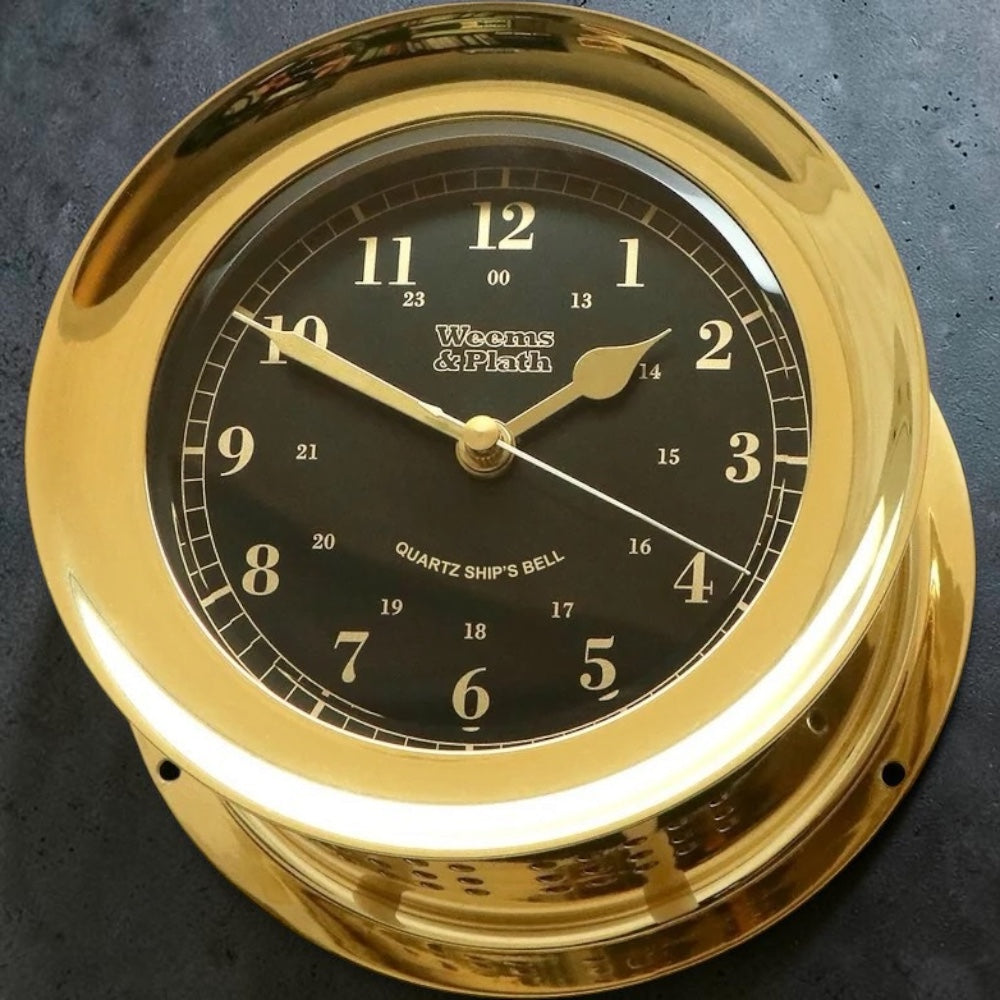
Depending on the clock, a replacement might be a modern mechanical movement or a quiet, efficient quartz movement. The best choice depends on the design of the clock, how it will be used, and whether features such as striking or chiming need to be retained.
Respecting the Clock’s History
Replacing a movement should be done thoughtfully. I try to avoid unnecessary alterations to the case so that the work can be reversed in the future whenever possible. If the original movement is present, I believe it is worth keeping it with the clock, even when it is no longer economical to repair.
It is also important to be honest about the work. A clock with a replacement movement should never be presented as completely original. Its antique or vintage case remains authentic, but the mechanism is new. Clear disclosure protects the clock’s history and helps future owners understand exactly what they have.
For a rare, museum-quality, or especially valuable clock, conservation by a qualified specialist may be the better approach. Not every old movement should be replaced. The decision needs to reflect the clock’s historical importance, condition, value, and intended use.
Preservation Can Take More Than One Form
Some people believe that every antique clock must retain its original movement at all costs. I understand that point of view, but I also believe preservation can be practical.
Saving an exceptional case and giving it a reliable new movement keeps the clock visible, functional, and appreciated. It may introduce another generation to the beauty of traditional clock design. That is often better than allowing a wonderful case to deteriorate in storage—or throwing the entire clock away because repairing its movement does not make economic sense.
For me, the goal is not to erase the clock’s past. It is to respect what remains, preserve its finest qualities, and give it a useful future.
A New Heart for an Old Treasure
The clocks I find have already survived for decades, and sometimes for more than a century. Their original movements may be exhausted, but their cases can remain remarkably beautiful.
By carefully installing a long-lasting new movement, I can keep that beauty alive. The result combines the charm and craftsmanship of the past with the reliability of the present: an amazing old clock case, a dependable new heart, and many more years of enjoyment ahead.
A few examples of Clocks with a new Movement:

Just A Clock Collector